



The Science Behind Alcohol Addiction and Dependency
Alcohol is one of the most extensively consumed psychoactive substances in the world, socially accepted across many cultures. However, what often begins as casual drinking can evolve into a serious dependency that affects the brain, body and behaviour. Understanding the science behind alcohol addiction is essential not only for those struggling with it but also for families, healthcare professionals and society at large.
According to the reports of National Institute on Alcohol Abuse and Alcoholism (NIAAA), alcohol use disorder (AUD) affects millions of people worldwide and is identified as a chronic, relapsing brain disease that alters both structure and function of the brain.
In this blog, we’ll explore the biological, neurological and psychological mechanisms that contribute to alcohol addiction and dependency and what science says about recovery.
1. What Is Alcohol Addiction?
Alcohol addiction, also known as alcohol use disorder (AUD), is a chronic condition characterized by an inability to control drinking despite adverse consequences. It’s not simply a matter of weak willpower or poor choices. Rather, it’s a complex brain disorder influenced by genetics, environment and repeated exposure to alcohol.
The American Psychiatric Association (APA) defines AUD as a pattern of the alcohol use leading to significant impairment or distress, marked by symptoms such as tolerance (needing more alcohol to feel the same effects), withdrawal and loss of control over consumption.
2. How Alcohol Affects the Brain
The human brain is wired to reward behaviours that are essential for survival, such as eating, socializing and reproduction. These activities activate the brain’s reward system, which releases dopamine, a neurotransmitter responsible for feelings of pleasure and motivation.
When you consume alcohol, it hijacks this reward system. Here’s how it works:
- Dopamine Release: Alcohol increases level of dopamine in the brain’s mesolimbic pathway, especially in the nucleus accumbens, the area associated with pleasure. This creates a temporary “high” and reinforces the desire to drink again.
- GABA and Glutamate Imbalance: Alcohol enhances the activity of GABA, an inhibitory neurotransmitter that minimize the brain activity and produces relaxation. Simultaneously, it inhibits glutamate, an excitatory neurotransmitter responsible for the alertness and learning. Over the time, the brain adapts to these changes, reducing its natural production of the GABA and increasing glutamate activity, leading to tolerance and withdrawal the symptoms when alcohol is not consumed.
- Endorphin Stimulation: Alcohol also stimulates the release of the endorphins, the body’s natural painkillers, further reinforcing feelings of pleasure and well-being.
With prolonged use, the brain becomes chemically dependent on alcohol to maintain a sense of the normalcy. This explains why people with addiction often drink not just for pleasure, but to avoid the withdrawal and emotional instability.
3. The Role of Genetics and Biology
Some research suggests that genetics contributes to 40–60% of the risk of developing the alcohol addiction. Specific genetic variants may affect that how the body metabolises alcohol or how the brain responds to it. For instance:
- People with a slow alcohol dehydrogenase enzyme (ADH) may experience unpleasant effects like facial flushing, reducing the likelihood of heavy drinking.
- Those with a high dopamine receptor sensitivity may find alcohol more rewarding, increasing their risk of dependency.
Additionally, the brain imaging studies have shown that individuals predisposed to the addiction may have the lower baseline dopamine activity, leading them to seek stimulation from substances like alcohol.
4. Psychological and Environmental Triggers
While biology lays the groundwork, environmental and the psychological elements play a vital role in shaping drinking behaviour. Some common influences include:
Stress and Anxiety: Alcohol temporarily relieves stress by depressing the central nervous system, making it an easy coping mechanism. Over time, the brain associate’s alcohol with relaxation, creating a cycle of dependence.
- Social Environment: Peer pressure, family drinking patterns and cultural acceptance can normalize excessive drinking.
- Trauma and Mental Health Disorders: People with depression, PTSD or unresolved trauma are more vulnerable to using alcohol as self-medication.
- Early Exposure: Starting to drink at a young age increases the risk of developing long-term addiction due to ongoing brain development.
In essence, alcohol addiction often develops through a combination of genetic susceptibility and learned behaviour.
5. The Neurobiology of Dependency
Once dependency sets in, the brain undergoes structural and functional changes. Prolonged alcohol use shrinks certain brain regions, such as the prefrontal cortex (responsible for decision-making and impulse control) and disrupts communication between neurons.
This neuroadaptation creates a “new normal” where the brain expects alcohol to function. When deprived, the body experiences withdrawal symptoms, such as tremors, anxiety, nausea, sweating and in severe cases, seizures or delirium tremens (DTs).
These physical symptoms reinforce the cycle of addiction: individuals drink again to relieve withdrawal discomfort, perpetuating dependence.
6. The Science of Recovery and Treatment
Recovery from alcohol addiction is challenging but possible. Modern neuroscience provides various insights into effective treatment strategies: -
- Detoxification: The very first step involves safely removing alcohol from the body under the medical supervision. Medications such as benzodiazepines may be used to manage and control withdrawal symptoms.
- Medication-Assisted Therapy (MAT): Drugs such as naltrexone, acamprosate and disulfiram target brain chemistry to reduce cravings and prevent relapse.
- Cognitive Behavioural Therapy (CBT): This therapy helps individuals identify and change the negative thought patterns associated with drinking behaviour.
- Support Groups: Programs like Alcoholics Anonymous (AA) and SMART Recovery offer social support and accountability.
- Lifestyle and Brain Healing: Regular exercise, proper nutrition, mindfulness and adequate sleep can help restore neurochemical balance and promote brain recovery.
Neuroplasticity — the brain’s ability to rewire itself, plays a key role in healing. With the sustained abstinence, the brain gradually repairs its reward pathways, improving self-control and emotional regulation.
7. Preventing Alcohol Addiction
Preventive measures are as important as treatment. Public awareness, responsible drinking education and early intervention can help reduce risk. Individuals should: -
- Know their limits and track alcohol intake.
- Avoid using alcohol as a stress-relief tool.
- Seek help early if they notice dependency signs.
- Encourage open conversations regarding mental health and substance use.
| Read More:- How Social Media Help Spread The Message Of Responsible Drinking |
Conclusion
Alcohol addiction is more than a bad habit, it’s a complex interplay of biology, brain chemistry and environment. Understanding the science behind it helps remove the stigma surrounding addiction and emphasizes the need for compassion, awareness and evidence-based treatment. Stay in touch with Boozerscouncil.org to stay updated about responsible drinking.
With the right support and scientific approach, recovery is not only possible — it’s sustainable.
Recent Post
Alcohol-Free Challenge
This challenge isn’t about lifelong abstinence or strict rules; it’s about pausing, observing and understanding how alcohol truly...
December 17, 2025
Role of Schools and Colleges in Alcohol Awareness
This blog explains how schools and colleges can contribute effectively to alcohol awareness in line with widely recognised...
December 15, 2025
How to Start Your Recovery Journey from Alcohol Addiction
Recovery is a continuous process of healing, self-awareness and growth. With the right mindset, professional guidance and support...
December 09, 2025
Get The Free Quote!
KEEP IN TOUCH




POPULAR POSTS
.webp)
Legal Consequences of Drunk Driving
Driving under the influence not only risks the...
December 04, 2025 • 2538 views.
Alcohol Laws in India
This decentralization results in widely varying legal drinking...
August 14, 2025 • 1455 views.
How Stress and Anxiety Can Lead to Unhealthy Drinking Habits
In this blog, we’ll explore how stress and...
October 17, 2025 • 879 views.
How to Practice Moderate Drinking
In this blog, we’ll explore what moderate drinking...
August 02, 2025 • 836 views.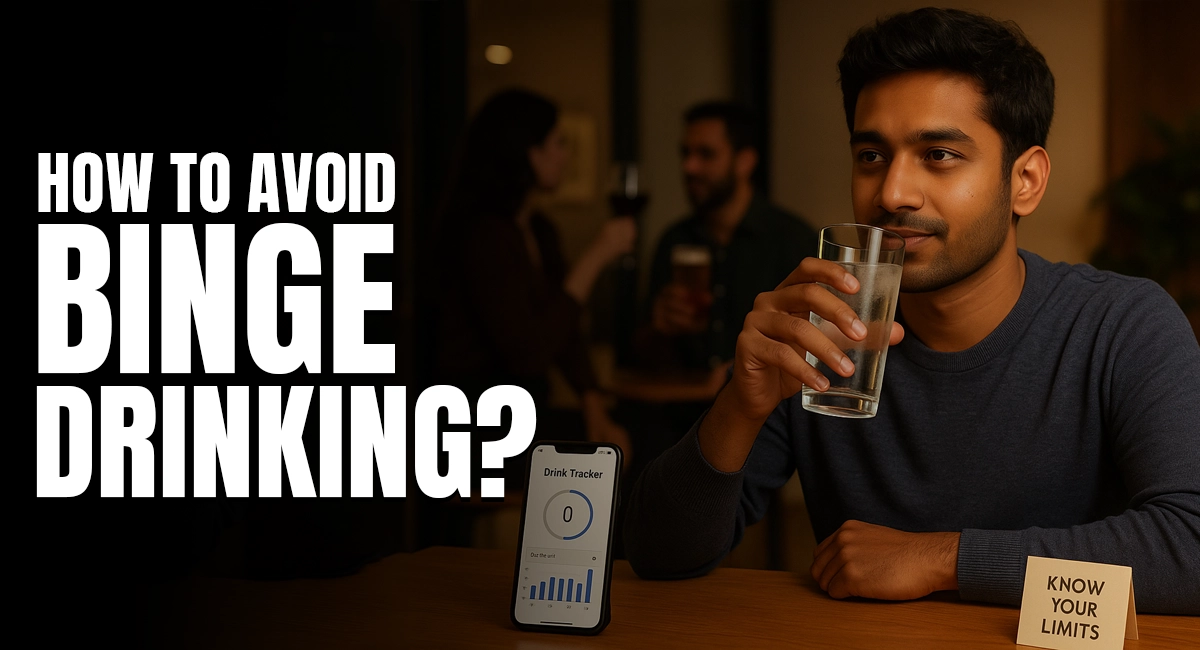
Binge Drinking
Binge drinking is often portrayed in movies and...
August 04, 2025 • 809 views.